Object Status:
Unlocated
Accession Date:
October 6, 1805
Primary Source Reference:
Thomas Jefferson to Charles Willson Peale, 6 Oct 1805; Selected Papers, 2, part 2: 894
Notes:
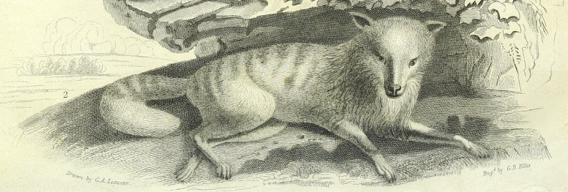
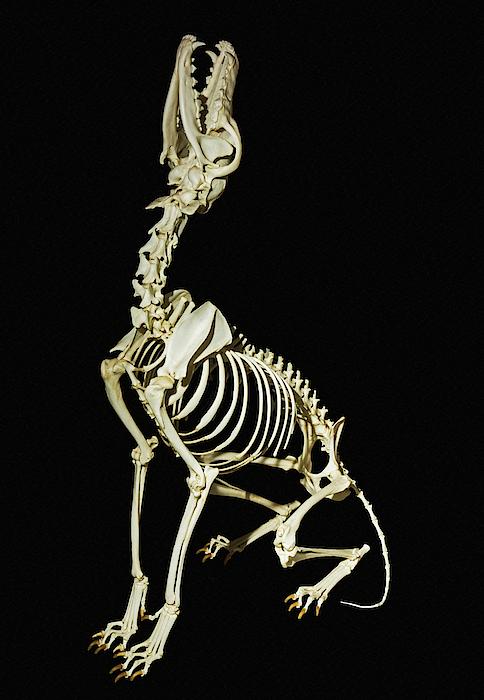
Lewis and Clark sent a shipment to Jefferson from Fort Mandan in April 1805 that included "Skeletons of the Small, or burrowing wolf of the Praries, the Skin having been lost by accedent." Jefferson annotated the list with "some skeletons came, not distinguishable. sent to P. [Peale, or Philadelphia]."
What Lewis and Clark in their journals variously refer to as a “prarie wolf,” a “brush wolf,” or a “burrowing wolf of the Praries” is the coyote (Canis latrans).
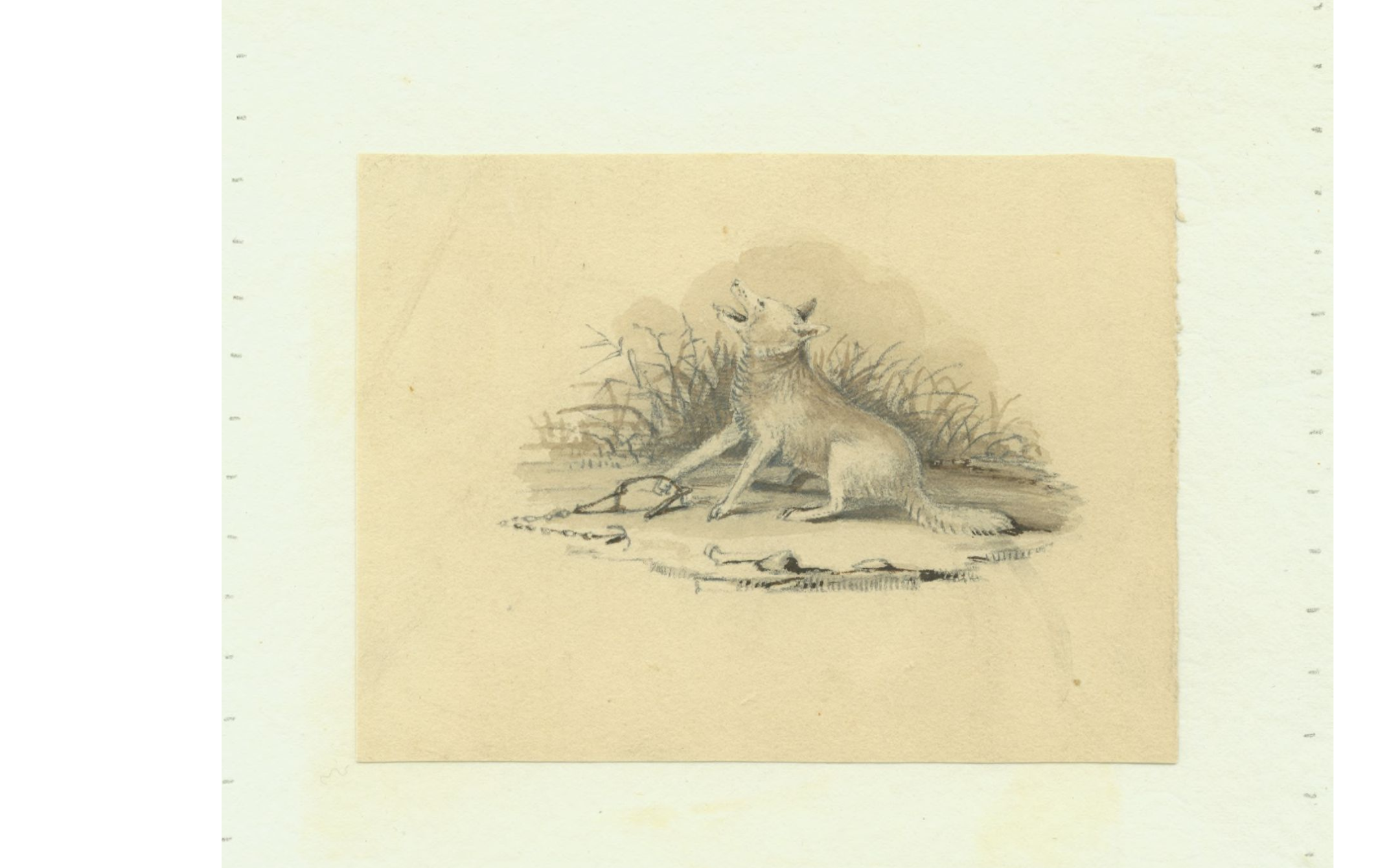
Titian Ramsay Peale executed a watercolor of the prairie wolf while engaged on the Long Expedition, 1819-1821, pictured here.
John D. Godman (1794-1830) described and illustrated Canis latrans Say, which he called the barking, or prarie wolf, based on the specimen in the Peale Museum prepared by Titian Ramsay Peale in 1821, in his American Natural History, Part I -- Mastology, vol. 1 (Philadelphia, 1826), p. 260-264 / https://hdl.handle.net/2027/dul1.ark:/13960/t4wh6dv4h?urlappend=%3Bseq=… here.
See "Coyotes" by Joseph A. Mussulman at https://lewis-clark.org/sciences/mammals/coyote/
Specimen Type:
Skeletons/skulls/bones
Peale's Common Name:
Burrowing wolf
Current Common Name:
Coyote
Current Scientific Name
Canis latrans