Object Status:
Unlocated
Accession Date:
By 1799
Primary Source Reference:
Natural History Lecture No. 6 (1799), Academy of Natural Sciences of Drexel University
Additional Source Text:
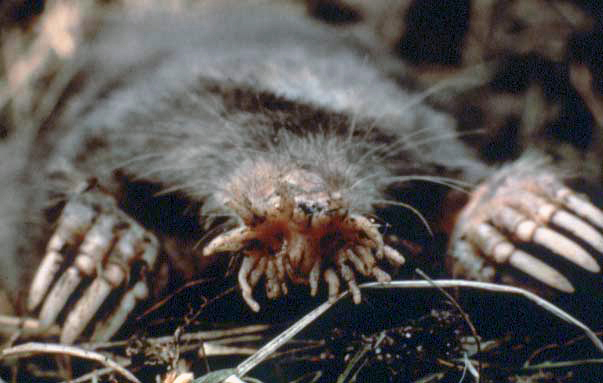
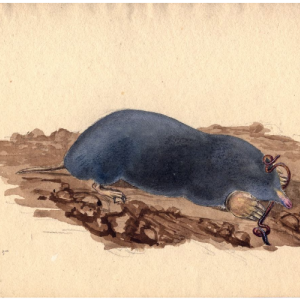
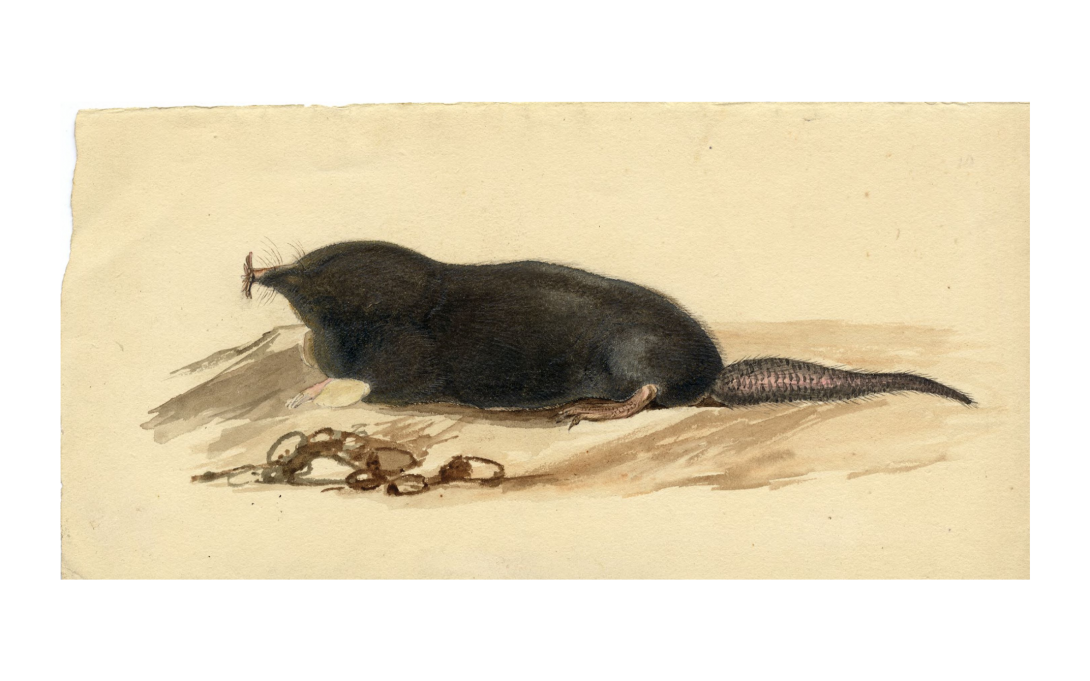
"This Starred Shrew, has a pointed tail almost as long as the body; nostrils terminated by a Radiated membrane, divided into ten or fifteen points; blackish hair and fore feet resembling hands. This Sorex or shrew has been confounded with the mole, both by Buffon, Pennant and Daubenton. It was found in Pennsylvania, but it is likewise found in several Parts of North America. The eyes are rather more apparent than those of the mole, probably it may not be so much under ground as that animal. To arrive at any certainty about such small animals requires time and opportunity. There is a species called the musky and perfuming shrew found at the River volga in Russia which makes its hole in the banks below the lowest fall of the water, and works upwards, not so high as to reach the surface, but only to be out of reach of the highest rise of the tide. It feeds on fish, but in turn is eaten by the pikes, and gives those fish so strong a flavor of mush as to render them not eatable. The skins are put amongst cloaths, under an Idea, that they drive away moths, and to preserve the wearer from pestilence and fevers."
In his "Walk through the Phil[adelphi]a Museum" (1805-1806), p. 26, Peale wrote: "Whose general appearance is much like the mole, but differs totally in the teeth & radiated nose."
Notes:
Philadelphia Museum, No. 876; Richard Harlan describes this species in Fauna Americana: Being a Description of the Mammiferous Animals Inhabiting North America (Philadelphia, 1825), pp. 54-56 / https://www.biodiversitylibrary.org/page/3194394, pp. 36-38
Specimen Type:
Dead/preserved
Peale's Scientific Name:
Sorex Cristatus
Current Common Name:
Star-nosed mole
Current Scientific Name
Condylura cristata