Object Status:
Unlocated
Accession Date:
August 19, 1789
Primary Source Reference:
Pennsylvania Packet (Philadelphia), 19 Aug 1789
Notes:
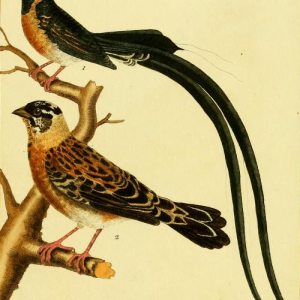
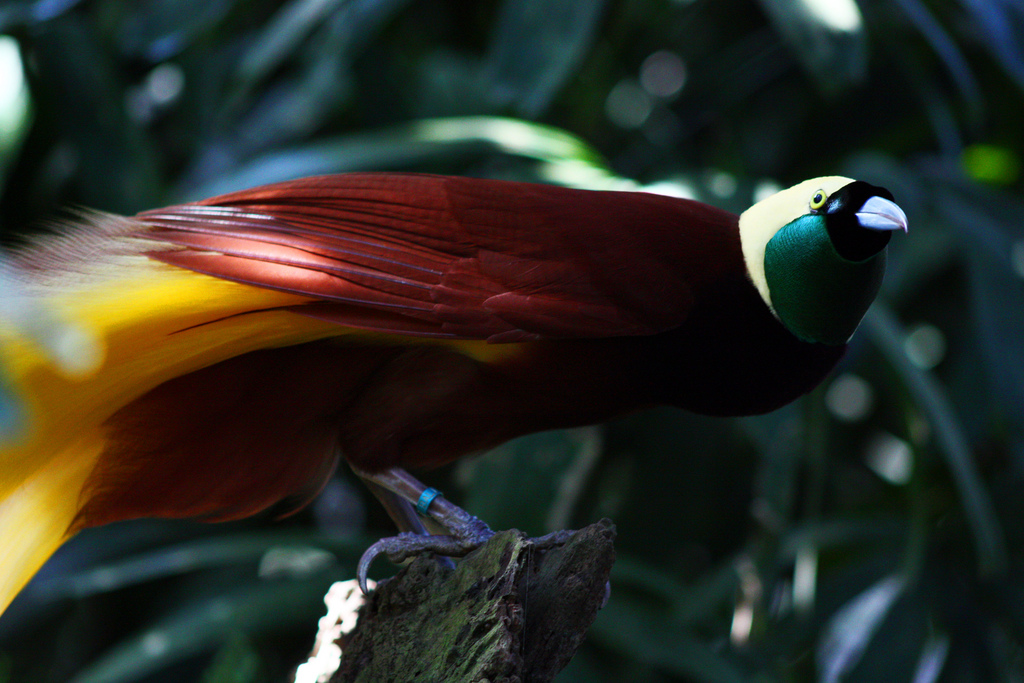
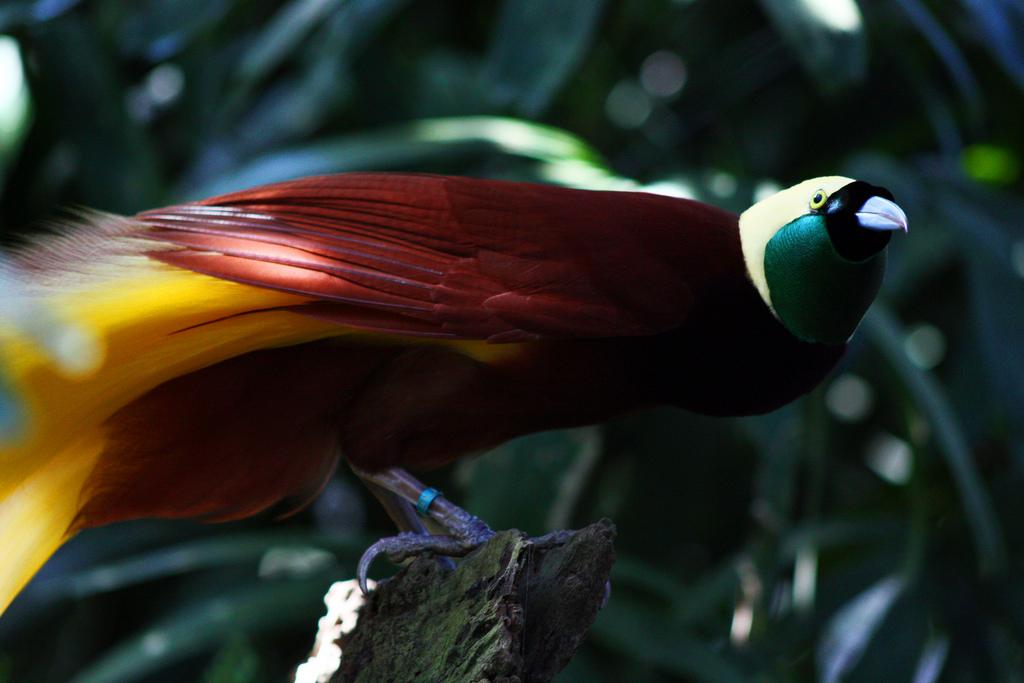
This bird is very likely the greater bird-of-paradise (Paradisaea apoda), which is visible in both of the interior paintings of the Long Room. In his "Walk through the Phil[adelphi]a Museum" (1805-1806), Peale wrote of this bird, ". . . those long feathers come from the breast, the tail in short & even at the end, but two Very long wire-like feathers arises a little above the tail. In flying they are observed to take the advantage of the wind, when it blows moderately. Otherwise those long breast feathers would hinder their flight. These birds are skined, their feet pulled off, and a stick stuck through them, thus, they are sold as egrets--worn by the Japanese, Chinese, and Persians &c and the grandees of India not only ornament themselves with these beautiful plumes but adorn their Horses with the same. European Ladies may plume themselves to an immaginary heigth, yet native charms need no borrowed Feathers." It was the only member of the Paradisaeidae in his collection.
Peale had painted Sarah (Chew Elliott) O'Donnell's (1766-1857) portrait in 1787. After she gave him a cockatoo he painted a portrait of her daughter Mary (b. 1790). (P&M, pp. 152-153, nos. 599, 600)
Specimen Type:
Dead/preserved
Peale's Common Name:
Bird of paradise
Current Common Name:
Greater bird-of-paradise
Current Scientific Name
Paradisaea apoda