Object Status:
Unlocated
Accession Date:
June 1779
Primary Source Reference:
Du Simitière Memorandum Books, Library of Congress, fol. 39v
Additional Source Text:
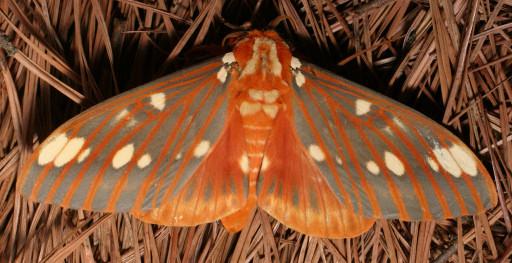
"The annuli of the body, divided by two colours of bright orange and light yellow, the upper wings Striped lengthwise with brown & orange alternately & strewed with roundish Spots of light oker colour the underwings of a bright orange colour with Some Small Strokes of brown."
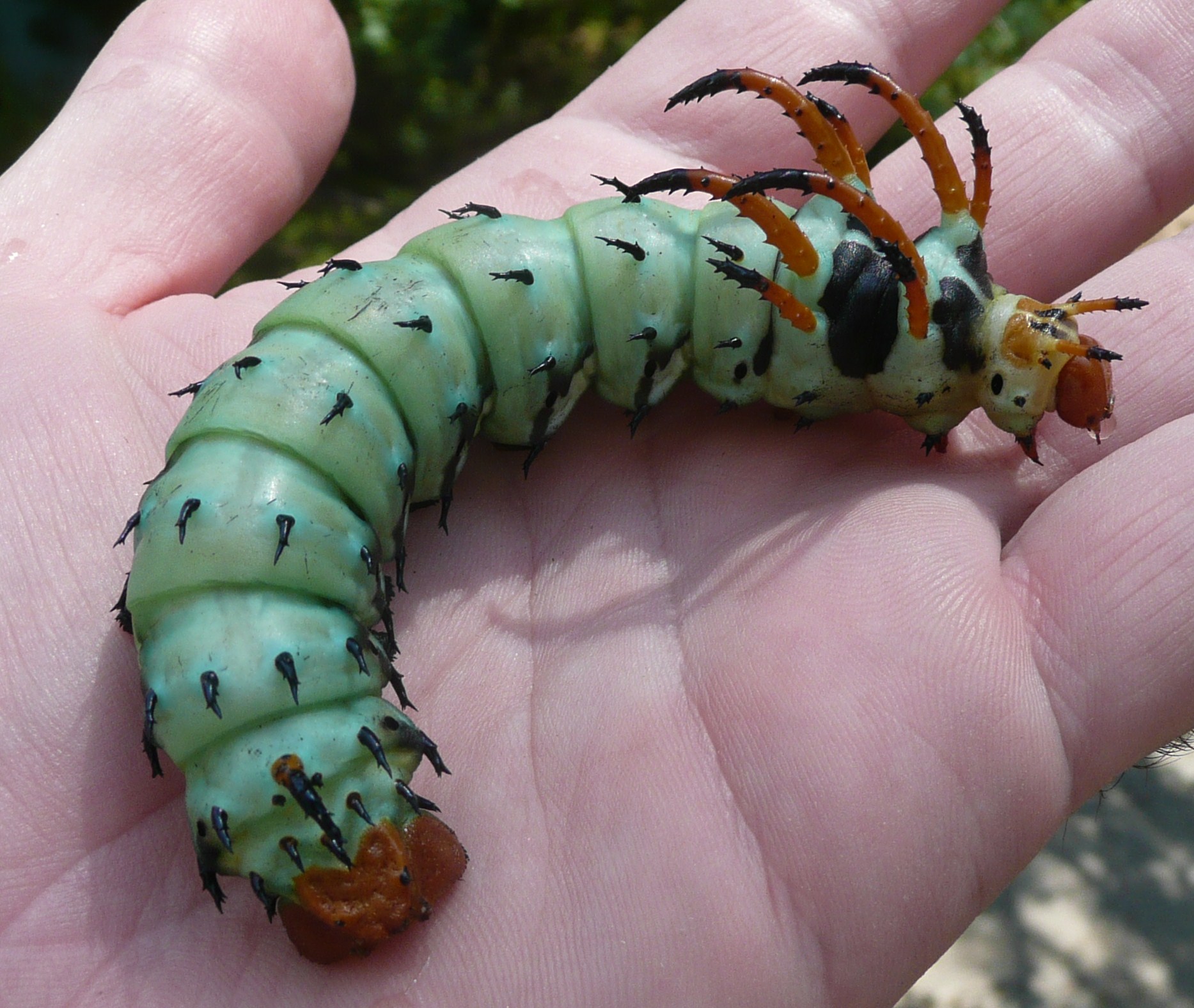
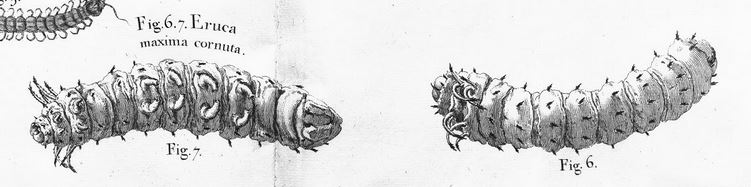
"This very rare fly comes from a very large caterpillar a figure of which is found in Sir Hans Sloane's natural Hist. of Ja[maica] Tom. II fig [Tab. 234] under the name of [Eruca maxima cornuta]. it is of light Sea green colour with Some black prickles on its wings & on his head 8 horns bending backwards of a reddish colour Tipp'd with black prickles, it Seems they were more common than usual last year for I had three full grown Sent me from different place in august, two of whom went down after in earth in bottle for that purpose to enable them to change in Chrysalia, they remain'd in that State buried in the earth thro a very Severe winter till the Spring, that I raised them above the earth & as the weather grew warm I took them quite out, when I found them they were heavy & had Some motion Signs of their being alive. the first came out on the 15 of June but owing to Some accident had not Strength enough to Strech its wings however it livd Some time & laid many eggs in Small clusters of a bright Straw colour, the other came out the 20th of June in the greatest perfection. they feed on the Balsam of Gilead Fir, the New Foundland Spruce, and the true Button Tree cephalanthus occidentalis feeding on this last I had one brought me in September this year."
Notes:
Du Simitière's moth was a member of the genus Citheronia, possibly Citheronia regalis, pictured here. The large caterpillar the moth emerged from was called Eruca maxima cornuta and described and illustrated by Sir Hans Sloane (in his A voyage to the islands Madera, Barbados, Nieves, S. Christophers and Jamaica); the caterpillar is now called the hickory horned devil. The plate from Sloane (detail) is pictured here; his descriptive text is https://www.biodiversitylibrary.org/page/188393
Specimen Type:
Dead/preserved
Du Simitière's Common Name:
Moth
Current Common Name:
Regal moth or royal walnut moth
Current Scientific Name
Citheronia regalis