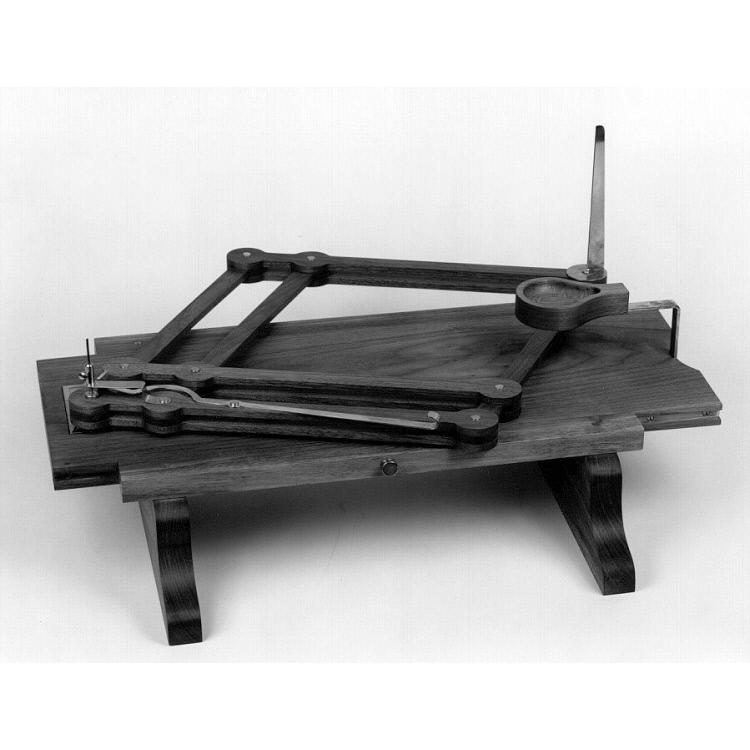
Object Status:
Unlocated
Accession Date:
December 28, 1802
Primary Source Reference:
Gazette of the United States (Philadelphia), 28 Dec 1802
Additional Source Text:
"Friendship esteems as valuable even the most distant likeness of a friend.
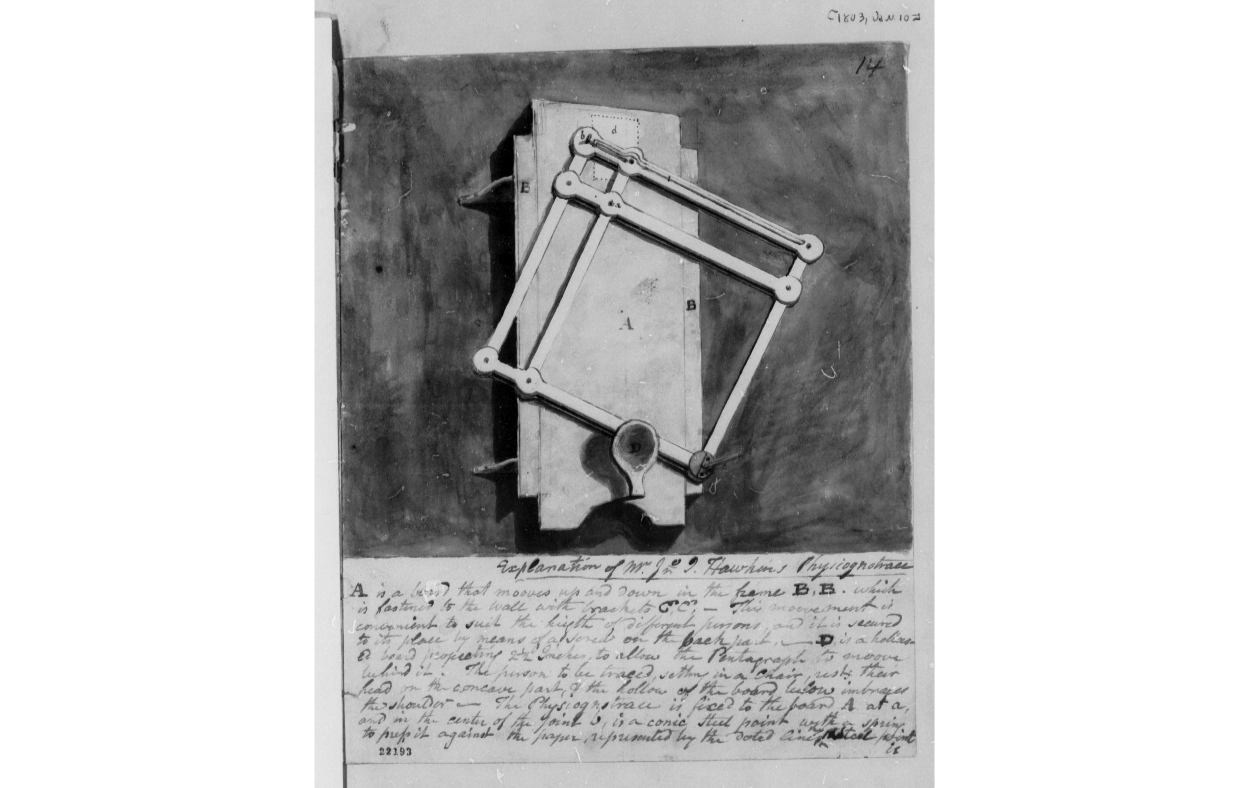
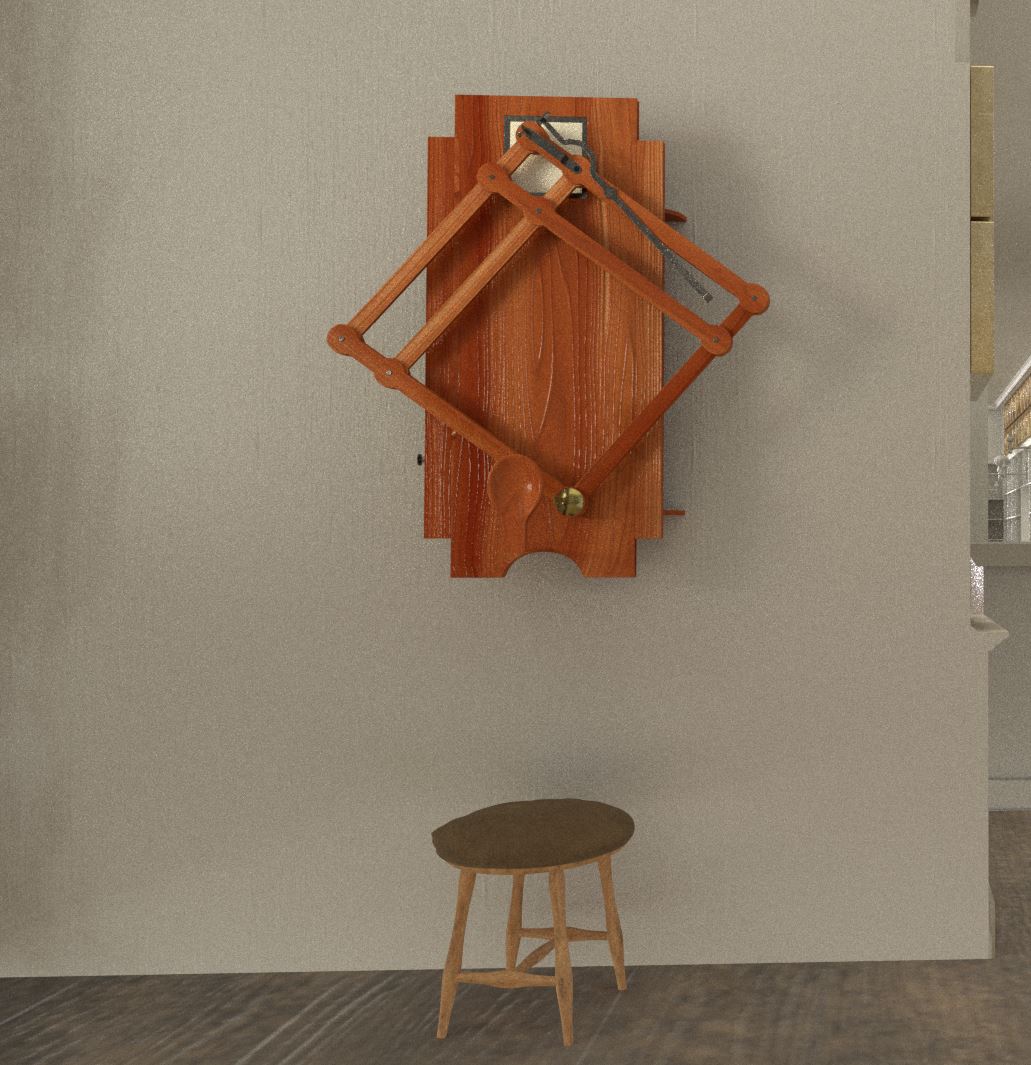
"The ingenius Mr. John I. Hawkins has presented to C. W. Peale's Museum, an invention of a physiognotrace, of so simple a construction, that any person without the aid of another, can in less than a minute take their own likeness in profile. This curious machine, perhaps gives the truest outlines of any heretofore invented, and is placed in the Museum for the visitors who may desire to take the likeness of themselves or friends."
Notes:
John Isaac Hawkins (1772-1855), an English-born inventor, emigrated to the U.S. for the first time about 1790. While living in Philadelphia, in 1802 he patented the second physiognotrace and partnered with Charles Willson Peale to market it to prospective buyers. See Selected Papers, 2, part 1: 475-483.
About the time of the acquisition of the physiognotrace Peale manumitted the formerly enslaved Moses Williams (1777-ca.1825), who took control of the device and the cutting the profiles. See Gwendolyn DuBois Shaw, “Moses Williams, Cutter of Profiles”: Silhouettes and African American Identity in the Early Republic," Proceedings of the American Philosophical Society, 149, no. 1 (March 2005): 22-39.
Poulson's American Daily Advertiser (Philadelphia), 22 Apr 1807 reported that "The Physiognotrace continues in operation, and has received an addition, by which Profiles of a handsome small size are now drawn, in preference to the former size, (which still may be had.)"
Geographic Origin:
Donor:
Collection: