Object Status:
Unlocated
Accession Date:
December 19, 1806
Primary Source Reference:
Peale Museum Accessions Book, Historical Society of Pennsylvania, p. 20
Additional Source Text:
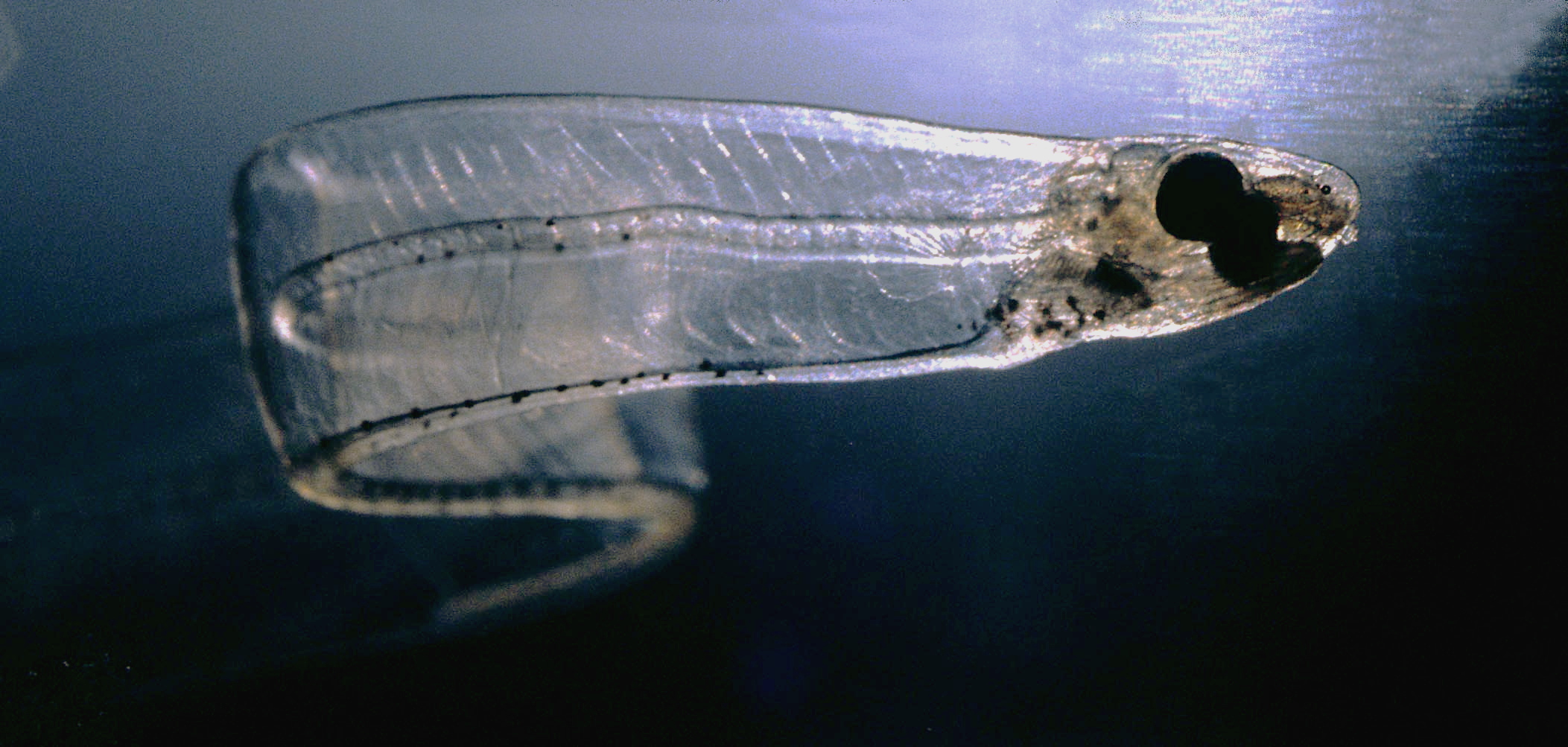
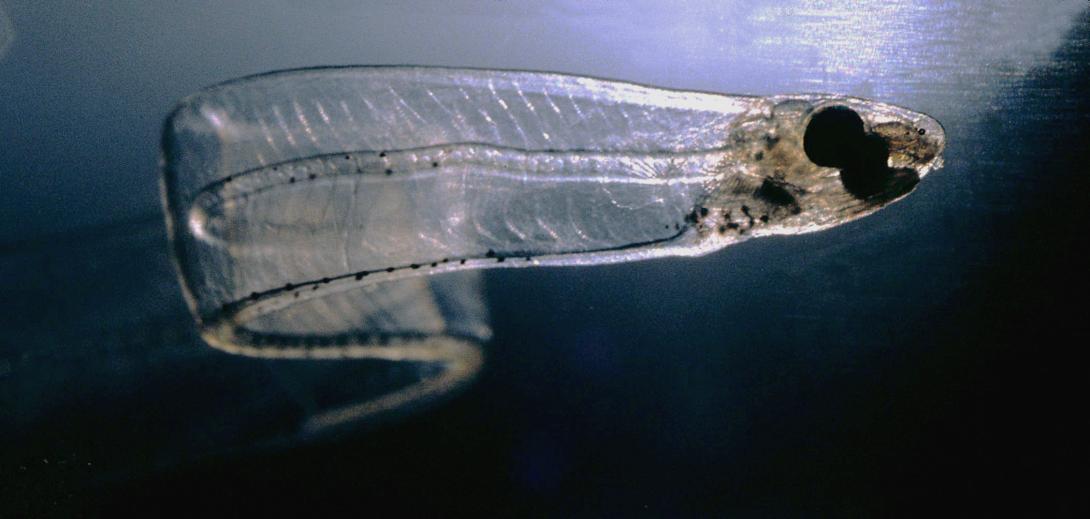
Poulson's American Daily Advertiser (Philadelphia), 22 Apr 1807 reads: A Fish (narrow like tape) so thin and transparent when fresh, that the smallest print could be read through it."
Notes:
This was possibly one of four species of eel found in South African waters: the longfin eel (Anquilla mossambica), shortfin eel (Anguilla bicolor bicolor), African mottled eel (Anguilla bengalensis labiata), or Madagascar mottled eel (Anquilla marmorata). "It is presumed they begin their life off the coast of Madagascar as flat, leaf-shaped larvae, or leoptocephali. They gradually end up on the southern African coast and they gradually transform into glass eels, so named for their transparency. As they grow they acquire more colour and become known as elvers." Nico Oosthuizen, "The incredible Eel" / https://www.mountainlands.co.za/the-incredible-eel / Pictured is the Leptocephalus larva of a conger eel about 3 inches long.
Specimen Type:
Dead/preserved