Object Status:
Unlocated
Accession Date:
By 1796
Primary Source Reference:
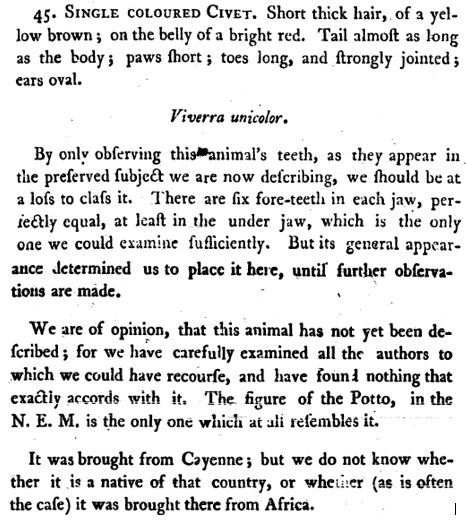
Scientific and Descriptive Catalogue of Peale's Museum (Philadelphia, 1796), pp. 37-38
Additional Source Text:
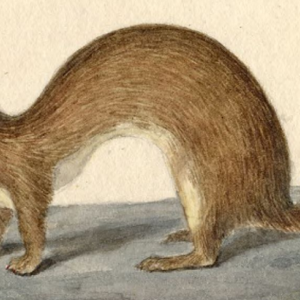
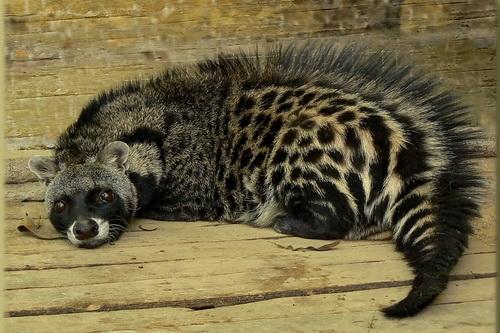
"Has not yet been described"; it was "brought from Cayenne; but we do not know whether it is a native of that country or whether (as is often the case) it was brought there from Africa."
In his "Walk through the Phil[adelphi]a Museum" (1805-1806), pp. 20-21, Peale wrote of the Viverra, or Civit, "This Ichneumon . . . would be a desirable animal about our Houses were they not so distructive to Poultry, for, they will soon free a place of Rats and mice. The Antient Eygyptians ranked the Ichneumon among their deities, because of the great service it rendered them by destroying the Eggs and multitudes of young Crocodiles, those troublesome pests of that Country. This was alive at the Museum a considerable time, was very playful even with Children, yet it had spirit to defend itself against Dogs."
Notes:
On 4 Jan 1802 Philippe Rose Roume (d. ca. 1803) donated a female African civet for mating purposes because there was already a male in the Museum. Selected Papers, 2, part 1: 385n
Specimen Type:
Living/Live (presumably eventually taxidermied/preserved)
Peale's Common Name:
Civit
Peale's Scientific Name:
Viverra
Current Common Name:
African civet
Current Scientific Name
Civettictis civetta