Object Status:
Unlocated
Accession Date:
October 1805
Primary Source Reference:
Peale Museum Accessions Book, Historical Society of Pennsylvania, p. 8
Additional Source Text:
"Brought from Washington by Capn Carmack."
United States Gazette (Philadelphia), 7 Feb 1806 reads: "A living Marmot or Ground-Hog, a non descript from Louisiana -- just becoming torpid, in which state it remains without food 6 months."
In his "Walk through the Museum" (1805), p. 32, Peale wrote: "It is much smaller, is more gentle and timid [than the groundhogs of Pennsylvania, New Jersey, and Maryland], otherwise its manners are the same, it was sent by Captn. Lewis from the Missouri & presented by Mr. Jefferson while living and kept a considerable time in the Museum."
Notes:
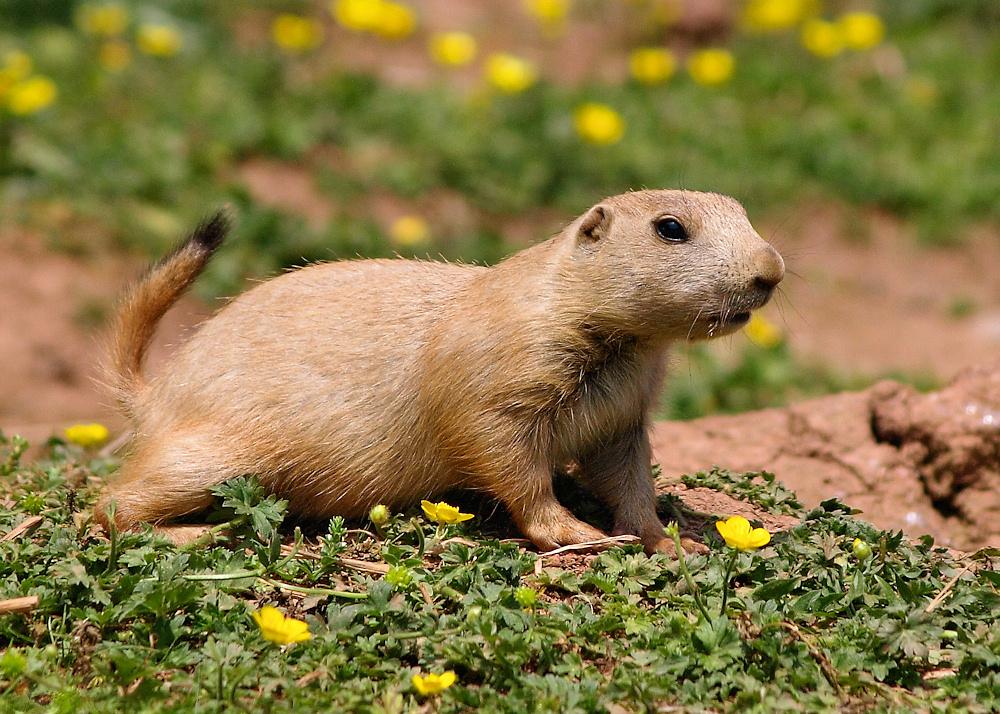
In April 1805 Meriwether Lewis sent to Thomas Jefferson "a liveing burrowing Squirel of the praries." This animal, which Jefferson misidentified as a marmot when he sent it to Peale on 6 Oct 1805, was the black-tailed prairie dog Cynomys ludovicianus. In acknowledging receipt, Peale wrote to Jefferson (22 Oct 1805): "It is a handsome little Animal, smaller and much more gentle than our Monax & I expect like it will not eat during the Winter, for this eats but little at present. It shall be kept in a Warm Room for tryal." Selected Papers, 2, part 2: 894, 900
See Joseph A. Mussulman, "Prairie Dogs" at https://lewis-clark.org/sciences/mammals/prairie-dogs/
Richard Harlan described this specimen ("A well preserved specimen in the Philadelphia Museum, presented by Lewis and Clark") in Fauna Americana: Being a Description of the Mammiferous Animals Inhabiting North America (Philadelphia, 1825), pp. 160-164, where he identified it as Arctomys ludoviciani / https://www.biodiversitylibrary.org/page/3194449
Carmack was Capt. Daniel Carmick, U.S. Marine Corps.
Specimen Type:
Living/Live (presumably eventually taxidermied/preserved)
Peale's Common Name:
Marmot
Current Common Name:
Black-tailed prairie dog
Current Scientific Name
Cynomys ludovicianus