Object Status:
Unlocated
Accession Date:
By 1821
Primary Source Reference:
Thomas Say, "Descriptions of Univalve Shells of the United States," Journal of the Academy of Natural Sciences of Philadelphia, vol. 2, part 1 (1821): 149-179 (described on p. 172) / https://www.biodiversitylibrary.org/page/36831337
Additional Source Text:
"The terrestrial and fluviatile shells which are the subject of the following pages, were chiefly obtained on the [Long Expedition of May 1819-Nov 1820]. They are now deposited in the Philadelphia Museum, and constitute, in the collection of that institution, a distinct arrangement."
Notes:
Thomas Say (1787-1834) was an American naturalist. His definitive studies of insects and shells, numerous contributions to scientific journals, and scientific expeditions to Florida, Georgia, the Rocky Mountains, Mexico, and elsewhere made him internationally known. Say has been called the father of American descriptive entomology and American conchology. He served as librarian for the Academy of Natural Sciences of Philadelphia, curator at the American Philosophical Society, and professor of natural history at the University of Pennsylvania. In 1821 he was appointed Professor of Zoology at the Peale Museum, but he evidently did not give the planned lectures.
Current Common Name:
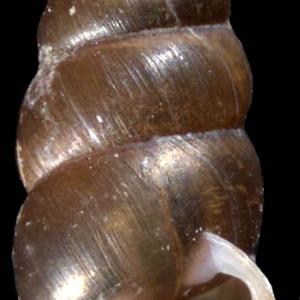
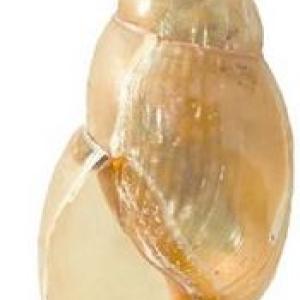
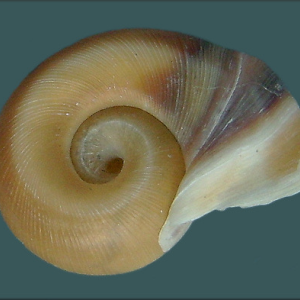
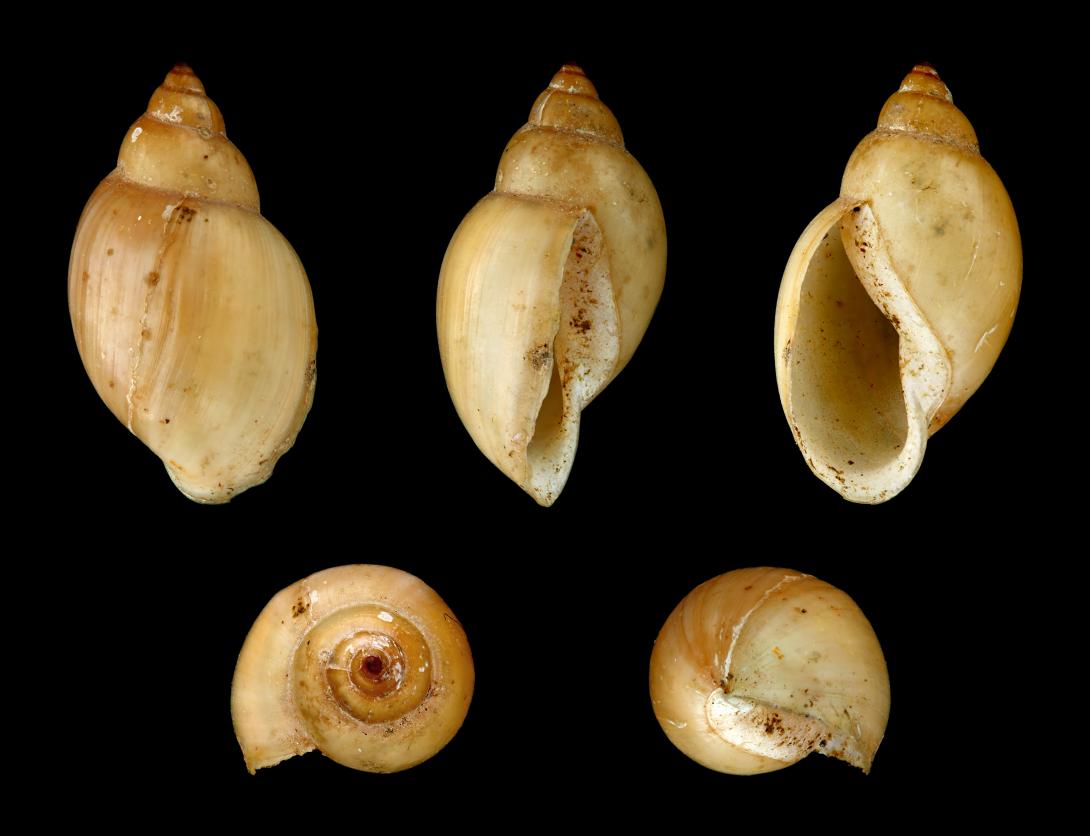
Tadpole snail | Bladder snail
Current Scientific Name
Physella acuta