Object Status:
Unlocated
Accession Date:
October 27, 1821
Primary Source Reference:
Peale Museum Accessions Book, Historical Society of Pennsylvania, p. 116
Additional Source Text:
"On account of the many slight shocks of Earth quakes, so common in that country."
Notes:
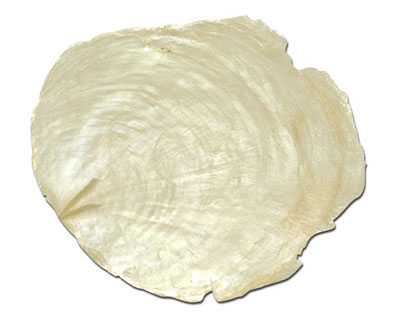
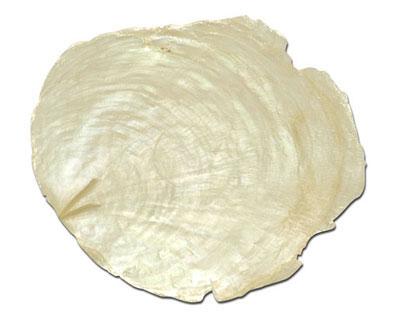
The windowpane oyster (Placuna placenta) is a bivalve marine mollusk in the family of Placunidae. They are edible, but valued more for their shells (and the rather small pearls). The shells -- called capiz in the Philippines -- have been used for thousands of years as a glass substitute because of their durability and translucence.
William Barnwell, a native of Ireland, arrived in Philadelphia about 1792, after serving as a physician with the British East India Company. He was elected to the American Philosophical Society in 1802. Two years later, Thomas Jefferson appointed Barnwell physician of the marine hospital at New Orleans, where he served until his removal in 1812. In 1819 he was aboard the U.S. Navy frigate Congress as it became the first American warship to visit China, from which it returned to the U.S. in May 1821. Barnwell presumably acquired his fifteen donations to the Peale Museum on that voyage / Jefferson Papers, Founders Online, National Archives / https://founders.archives.gov/documents/Jefferson/01-36-02-0278
Specimen Type:
Shells
Current Scientific Name
Placuna placenta