Object Status:
Unlocated
Accession Date:
September 1779
Primary Source Reference:
Du Simitière Memorandum Books, Library of Congress, fol. 46r
Additional Source Text:
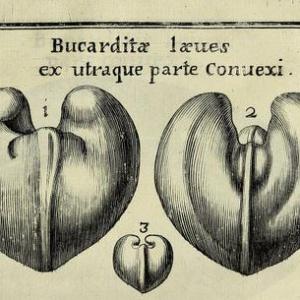
"Fill'd inside with a Stony matter, the outside finely striated and Shining in Some places like the [illegible] of lapis Judaicus. I do not find it described in Hill on fossils & do not know where it comes from--No. B."
Notes:
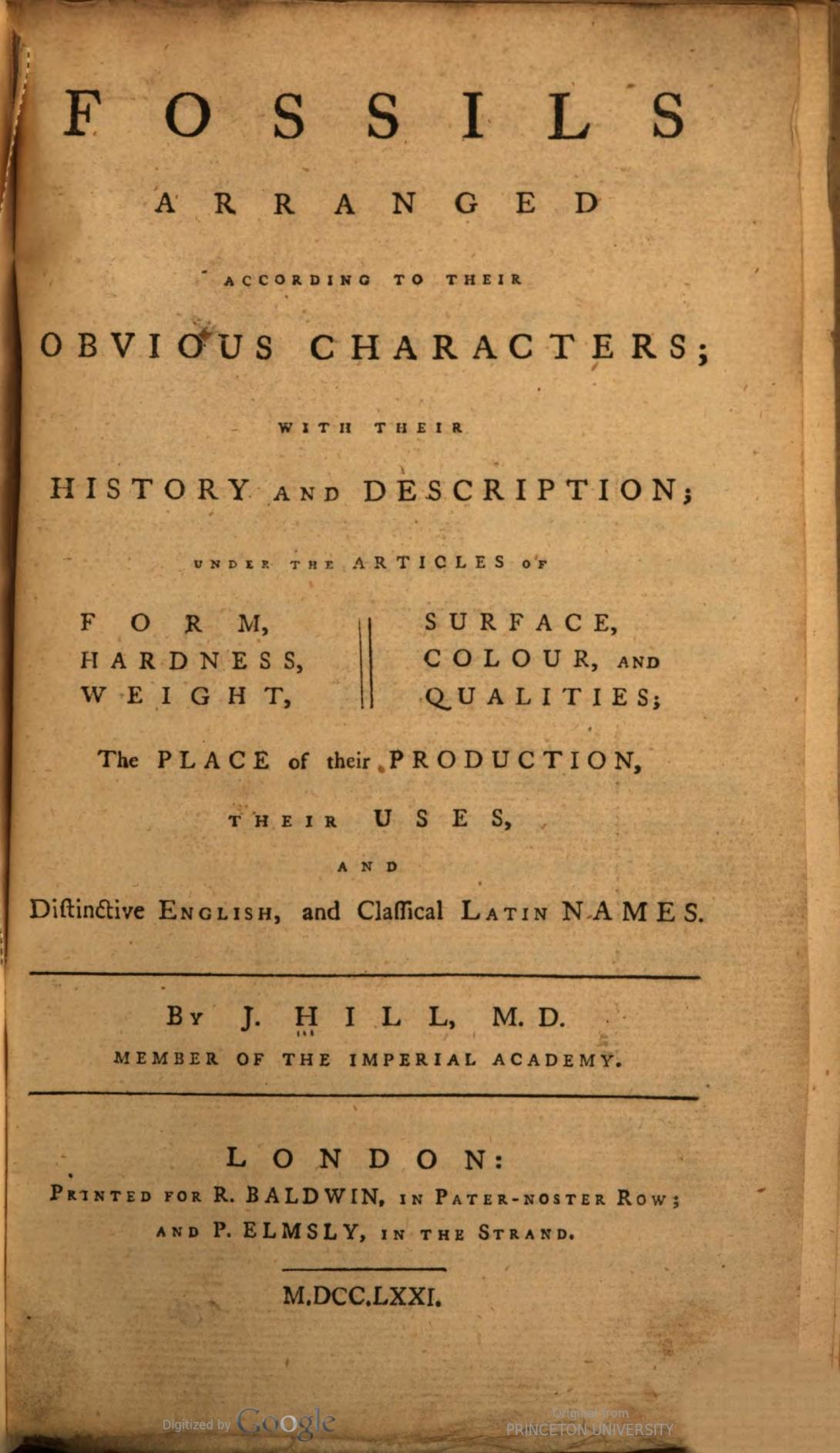
Du Simitière refers to John Hill (1714?-1775), Fossils Arranged According to Their Obvious Characters; With Their History (London, 1771).
Lapis Judaicus, or Jews' stone, is the name given to the spines of certain fossil cidaroid echinoids (sea urchins), especially Balanocidaris.
The donor, Lewis Nicola (1717–1807), was the editor of The American Magazine, or, General Repository (1769). A native of Dublin, Ireland, who had purchased a commission in the British army about 1740, Nicola in 1766 quit the army and moved to America. Nicola established himself as a merchant in Philadelphia, where he became much involved in cultural affairs, operating a circulating library, editing a short-lived magazine, and participating in the formation of the American Philosophical Society in 1769. During the Revolution he was town major of Philadelphia and colonel of the newly created Corps of Invalids, which was to organize soldiers with physical disabilities for employment in garrisons, magazines, arsenals, and hospitals. See Founders Online, National Archives / https://founders.archives.gov/documents/Washington/03-09-02-0292