Object Status:
Unlocated
Accession Date:
By 1799
Primary Source Reference:
Natural History Lecture No. 10 (1799), Academy of Natural Sciences of Drexel University
Additional Source Text:
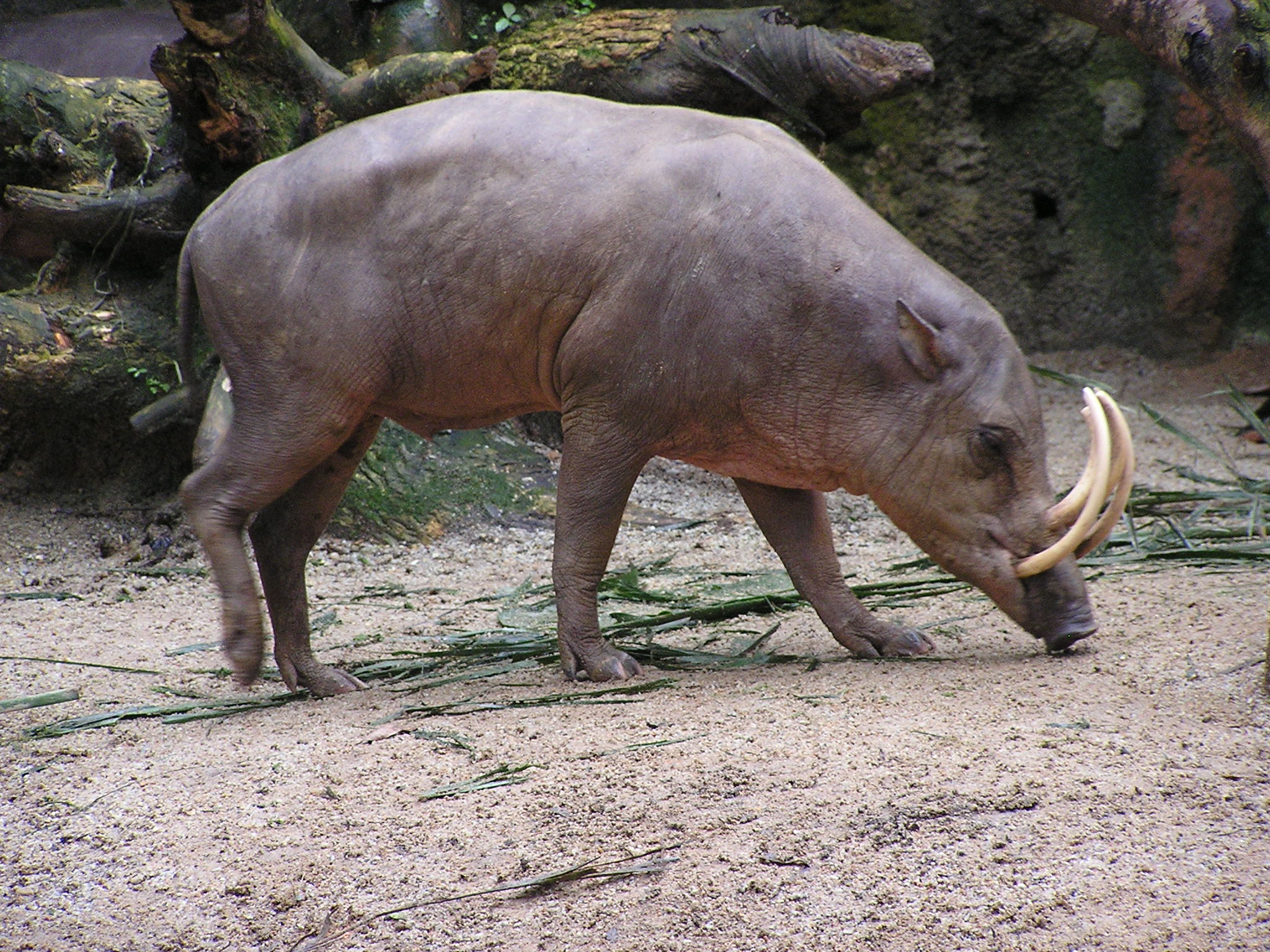
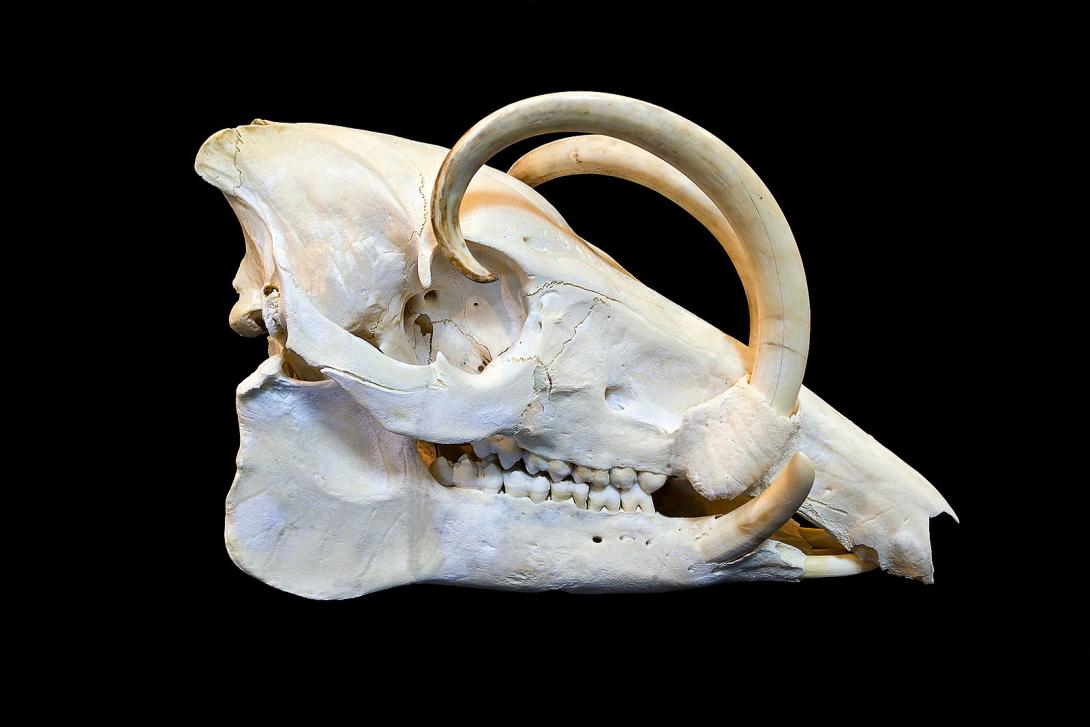
"What principly distinguish[es] it, are four enormous tusks, the two largest grow out of the upper Jaw, and the smallest from the under. The Jaw bones of this extraordinary Animal, are found to be very thick and strong; from whence those monstrous tusks proceed, that distinguish it from all other quadrupeds whatever. The two from the lower Jaw are near a foot long, and those of the upper above half a yard: as in the Boar, they bend circularly, and the 2 lower stand in the jaw as they are seen to do in that Animal; but the 2 upper rise from the upper Jaw, rather like horns than teeth; and, bending upwards and backwards, sometimes have their points directed to the Animal’s Eyes, and are often fatal by growing into them. If the two under tusks were taken away, the upper would have the appearance of being horns. The Tusks of both Jaws are of a fine Ivory, smoother and whiter than that of the Elephant, but not so hard or serviceable."
Notes:
Babyrousa, also called deer-pigs, are a genus in the swine family found on the islands of Indonesia. All members of this genus were considered part of a single species (B. babyrussa) until 2002; there are now three recognized species found on the islands of Indonesia. A skull of B. celebensis is pictured here.
In his "Walk through the Phil[adelphi]a Museum" (1805-1806), p. 41, Peale noted the "Skull of that curious one the Barbarussa with its tusks turning round over its Eyes."
On 28 Dec 1809 the Peale Museum received "he Head of the Babyrussa" from John Ansley (1769-1822), a Philadelphia sea captain in the East Indies and China trade. James Peale painted his portrait in 1801. Peale Museum Accessions Book, Historical Society of Pennsylvania, p. 42
Specimen Type:
Skeletons/skulls/bones
Peale's Common Name:
Babyrussa; Barbarussa
Current Common Name:
Babirusa
Current Scientific Name
Babyrousa