Object Status:
Unlocated
Accession Date:
By 1806
Primary Source Reference:
"Walk through the Phil[adelphi]a Museum" (1805-1806), p. 6
Additional Source Text:
"Is raring up, as in the act of spitting through the fissure of his upper lip, which he used to do when he was alive in the Museum."
Notes:
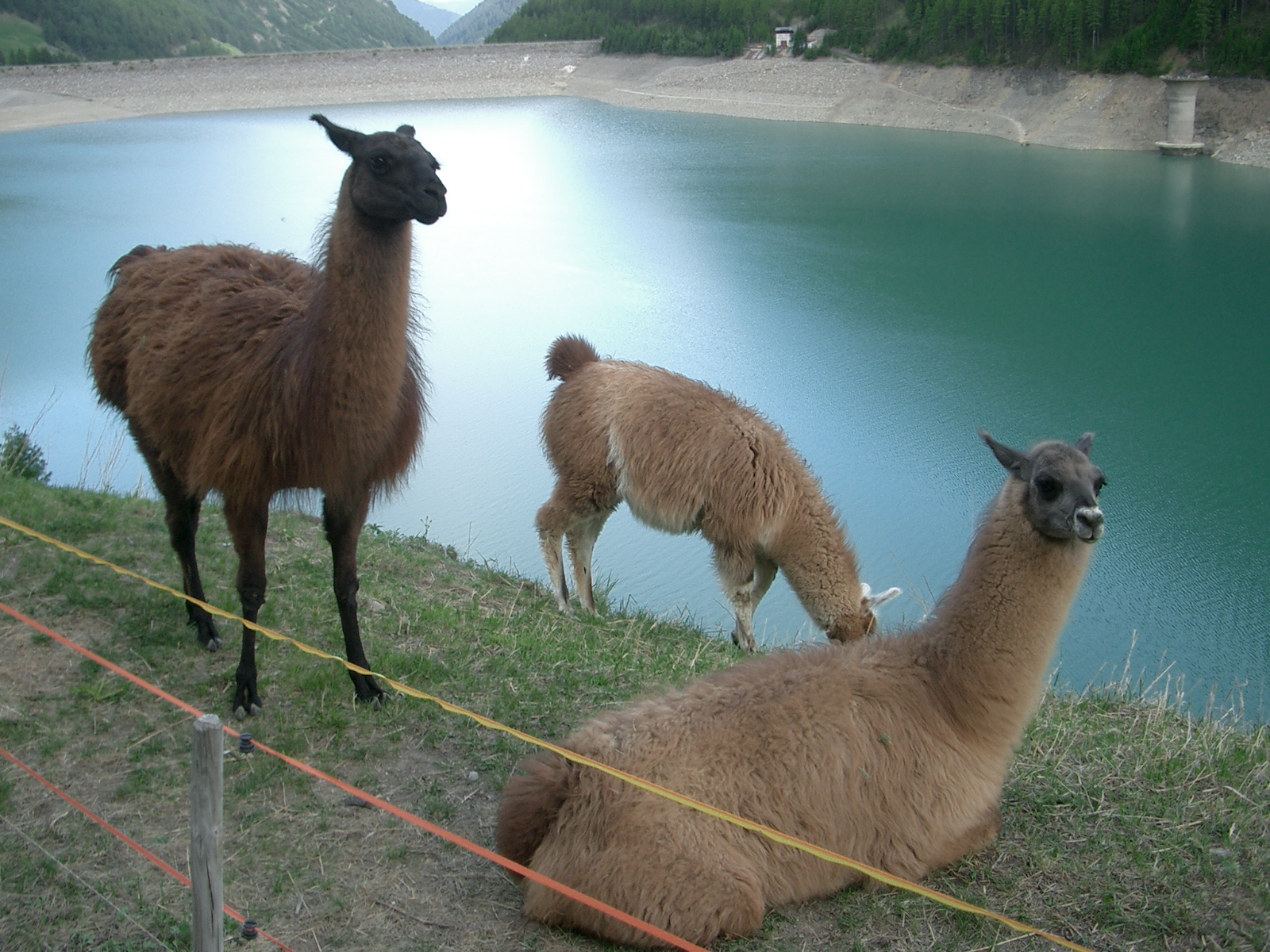
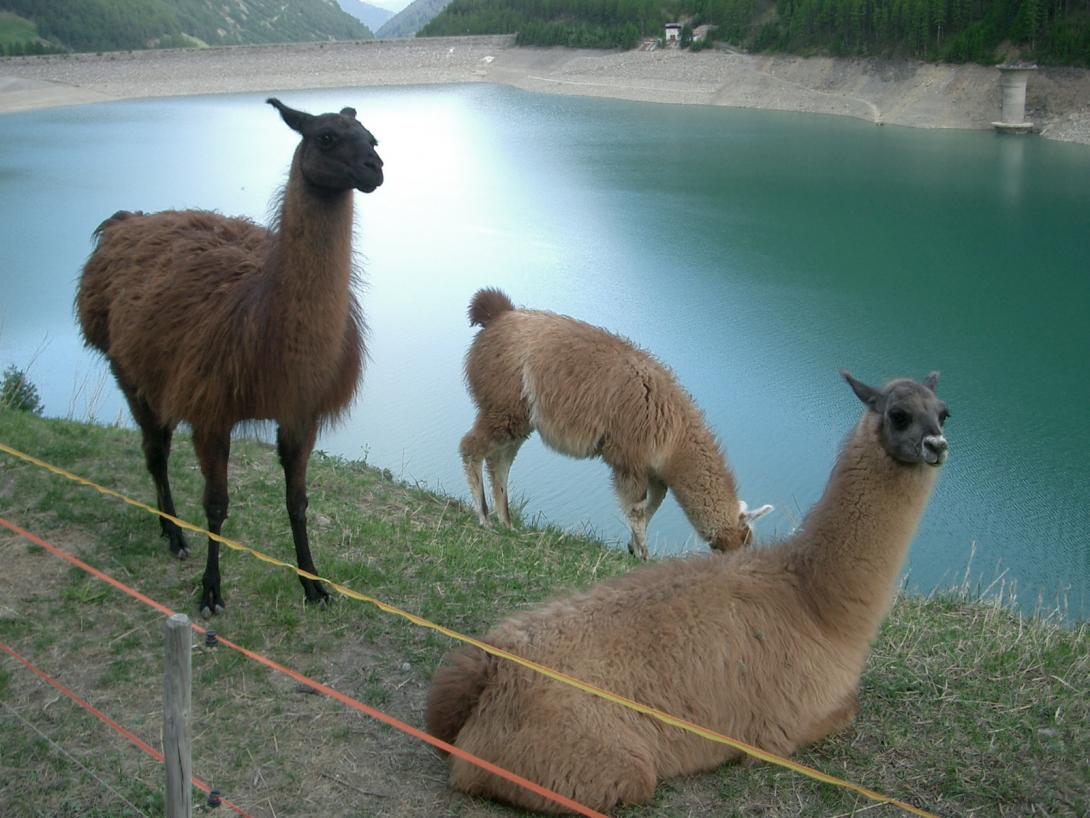
In his "Walk through the Phil[adelphi]a Museum" (1805), p. 35, Peale wrote: "They live on little and that of the coarsest kind; preferring dry leaves to the best hay. They seldom drink, and have the same obstinacy as the Camel (Vicugna). Great numbers of the Llama are used in carrying the riches of Potosi. Besides serving as a beast of burden, his wool is used as a material for cloath & coarse Hats. The flesh of the young Llama is said to be wholesome and of pleasant taste."
Peale described the llama at greater length in his Natural History Lecture No. 8 (1799). Not having a specimen in the Museum, he wrote the account from various authorities; at the end of the account he reported having received one from a sea captain named Crawford who brought it from the Río de la Plata (River Plate), an Atlantic estuary between Argentina and Uruguay. Crawford "tells me, it is there called the Huanacus [guanaco]. Examining the French Encyclopedia on this Article, I find it described as a Wild Lama with the above name, and it is said to be stronger and more lively than the domesticated Lama."
Specimen Type:
Living/Live (presumably eventually taxidermied/preserved)
Peale's Common Name:
Lama
Peale's Scientific Name:
Glama
Current Common Name:
Llama
Current Scientific Name
Lama glama